
Maryland's attempt to launch a legal slot machine industry has produced a muted response from the gaming sector. State officials opened just six bids for five designated locations authorized to host slot machines, a turnout far below what lawmakers anticipated when voters approved the expansion last November. The bids on the table would bring 10,555 machines online, well short of the 15,000-machine ceiling set by the ballot measure.
A Narrower Field Than Expected
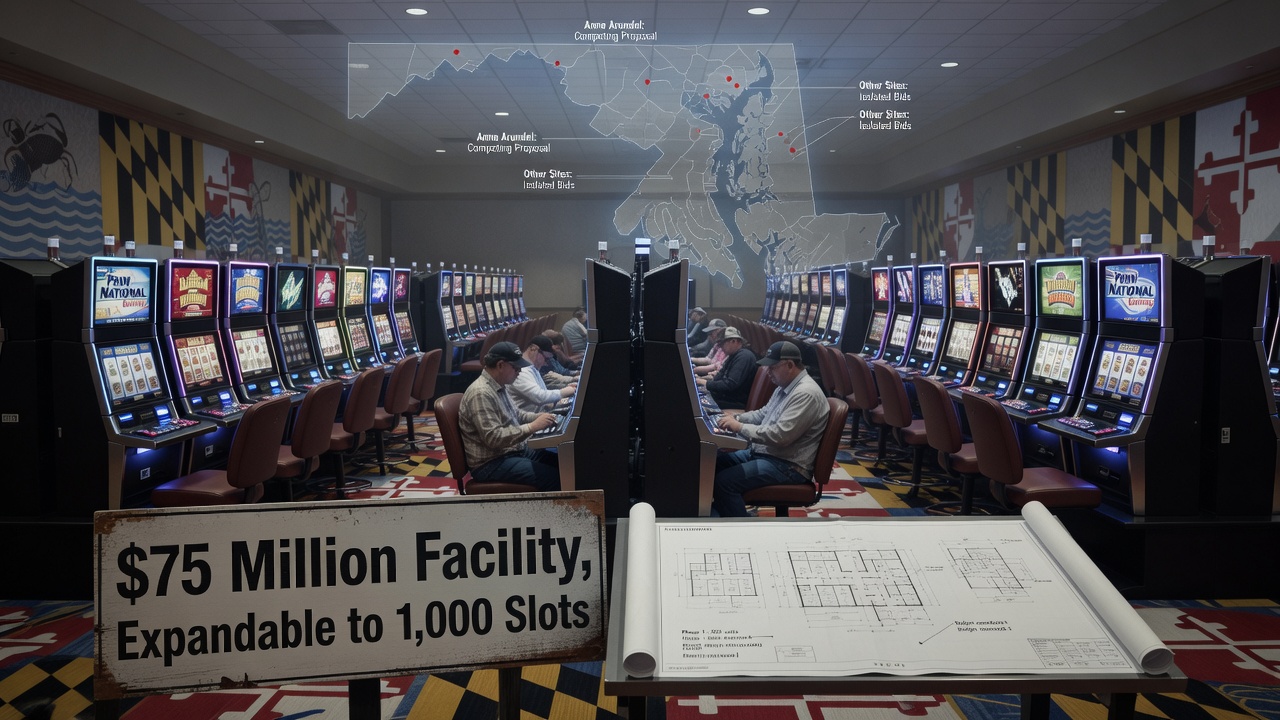
Only one of the five sites, in Anne Arundel County, attracted competing bids. The other four locations drew a single proposal apiece, a pattern that suggests operators were selective about where they saw viable returns rather than treating the state as an open opportunity. Notably absent were any companies with Las Vegas pedigree, a signal that the major national brands did not view Maryland's terms as attractive enough to justify entry at this stage.
Penn National Gaming stood out as the one established gaming company to participate, proposing a $75 million facility in Cecil County with 500 slot machines, with room stated to expand to 1,000. That figure is notably far from the 2,500 machines authorized for that location, underscoring how operators are approaching the market cautiously rather than building toward the maximum capacity regulators made available.
Why the Tax Structure Matters
Deutsche Bank gaming analyst Bill Lerner pointed to a combination of a difficult economic climate and a 67 percent tax rate on gross gaming revenue as likely deterrents. That tax rate is steep by industry standards, and it directly affects the calculations operators make when deciding whether a proposed facility can generate acceptable returns after licensing costs, construction, staffing, and ongoing tax obligations are factored in. High tax rates on gross revenue, rather than net profit, compress margins in a way that can make expansion plans less appealing even when consumer demand might otherwise support them.
The timing compounded the problem. The bidding process unfolded amid a broader economic downturn, a period when credit was tighter and capital for large construction projects harder to secure. Casino development is capital-intensive, and financing for a new facility depends heavily on lenders' confidence in near-term consumer spending, which was under pressure nationally at the time.
Reactions From Officials and Analysts Diverge
Maryland House Speaker Michael Busch characterized the results as a reasonable starting point for the state's gaming program, suggesting the initial round should be judged as a first step rather than a final verdict on the market's potential. Donald Fry, chairman of Maryland's gaming commission, attributed the shortfall largely to broader economic conditions rather than structural flaws in the state's approach.
Other observers were less sanguine. A Bethesda-based gaming analyst described the number of applications as highly disappointing from the state's perspective, a view that reflects the gap between what voters and legislators expected when they approved expanded gambling and what the market has actually delivered in response.
What It Signals for Regulators Elsewhere
The Maryland experience illustrates a recurring tension in gambling regulation: states seeking to maximize tax revenue from gaming expansion can inadvertently discourage the very investment needed to generate that revenue. Setting license terms and tax rates that balance public revenue goals against commercial viability is a persistent challenge for regulators introducing new gaming markets, particularly when economic conditions are already constraining capital investment across industries. How Maryland adjusts its approach in subsequent bidding rounds, if it does, will likely be watched closely by other states weighing similar expansions.