
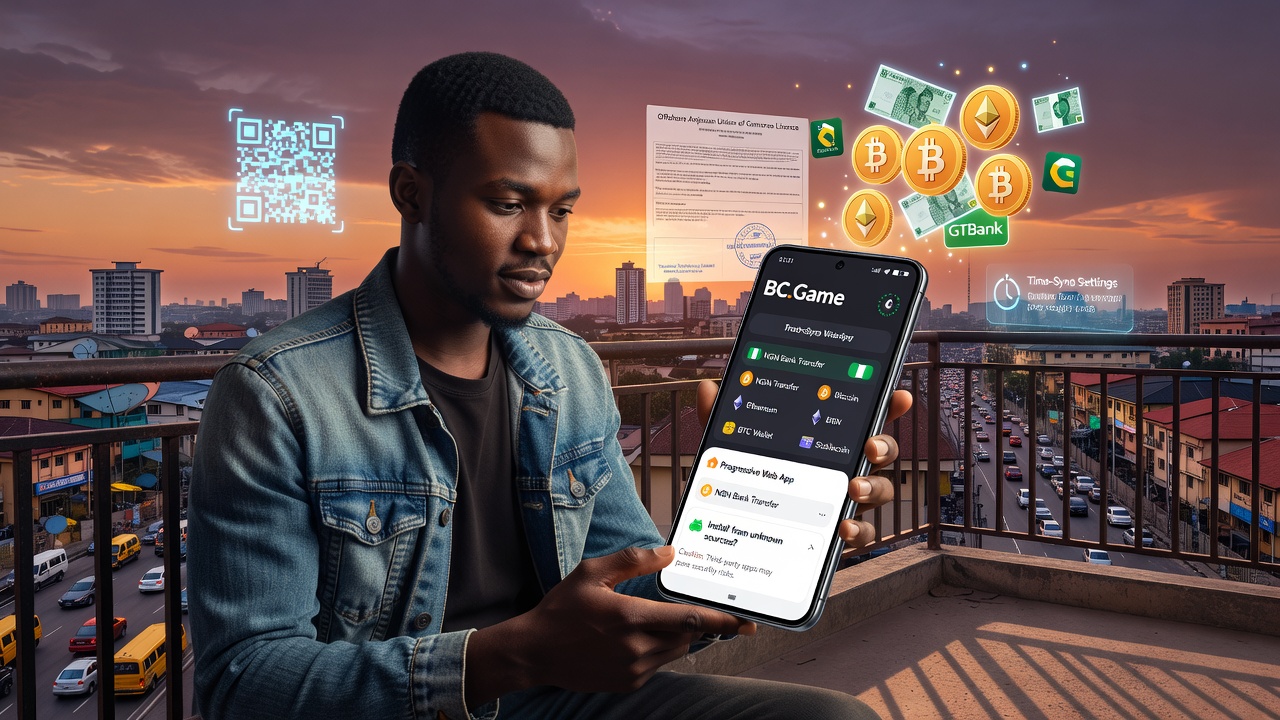
BC.Game has positioned itself as a crypto-first betting and casino platform for Nigerian users who want to operate entirely from a mobile browser or a sideloaded app, bypassing the usual app-store gatekeepers. The operator runs under an Anjouan licence held by Twocent Technology Limited, a Belize-registered entity - a structure common among offshore gambling platforms serving African markets where local licensing frameworks for crypto-based betting remain limited or undefined.
An Offshore Licence, Not a Local One
The distinction matters. An Anjouan (Union of Comoros) licence permits BC.Game to operate internationally, but it is not issued by any Nigerian regulator and carries none of the consumer protections that a domestic gambling authority would typically enforce - dispute resolution, local tax accountability, or enforcement mechanisms reachable by Nigerian courts. Users accessing offshore-licensed platforms are effectively relying on the operator's own terms and the standards of a foreign licensing body. This is standard practice across much of the crypto-gambling sector, but it places more responsibility on the individual to confirm age eligibility, understand that recourse options are limited, and treat the platform as an international service rather than a locally regulated one.
Why Mobile Access Avoids App Stores
BC.Game's mobile strategy relies on two routes: a Progressive Web App that installs a Home Screen icon directly from the browser, and an Android APK offered inside the official site. Neither depends on Google Play or the Apple App Store, which routinely restrict or reject real-money gambling apps. This is a workaround many offshore operators use globally, not something unique to Nigeria, but it does shift security responsibility onto the user. The platform itself warns against third-party APK sources, correctly identifying them as the primary channel through which modified or malicious versions of gambling apps circulate. Sideloading always carries more risk than an app-store download vetted by a platform operator, which is why enabling "install unknown apps" only temporarily, and disabling it immediately after installation, is a meaningful security habit rather than a formality.
Crypto Infrastructure Meets Local Payment Rails
Although built around cryptocurrency, BC.Game's Nigeria-facing cashier reportedly blends crypto wallets with NGN-based options such as bank transfers. This hybrid model reflects a broader pattern across crypto-first operators expanding into markets with strong mobile banking habits but inconsistent local crypto liquidity. The practical risk for users sits mainly in execution: sending funds on the wrong blockchain network, or confusing one stablecoin variant for another, is one of the most common and hardest-to-reverse mistakes in crypto gambling. Careful verification of network type before submitting any transaction is not optional diligence - it is often the only safeguard against unrecoverable loss.
Security Habits Matter More Than Platform Features
- Two-factor authentication reduces account-takeover risk, particularly on a platform with no local regulator to appeal to.
- Automatic time and date settings prevent one-time-password failures, a surprisingly common source of login lockouts.
- Verification steps completed early, rather than at withdrawal time, tend to reduce payout delays.
- Stable network connections matter more for live betting and live casino streams than for static browsing.
None of these measures change the underlying nature of gambling products: outcomes in sports betting and casino games remain governed by odds and house edge, not by account settings or app configuration. What mobile-security habits do affect is whether users retain control of their funds and personal data while using a platform that operates outside Nigeria's direct regulatory reach.